

- Your cart is empty Browse Shop
Planning a trip and asking yourself what is the best time of year for coffee tours in Costa Rica? You’re in the right place.
The truth is, timing makes a big difference. Coffee tours don’t feel the same all year, and the month you visit can influence what you see, how the experience feels, and even how comfortable the day is here in the fields.
In this post, we’ll walk you through what you’ll see during each season—and how weather, crowds, and coffee production affect the experience—so you can decide when a coffee tour fits best into your plans.
The Best Time for Coffee Tours in Costa Rica
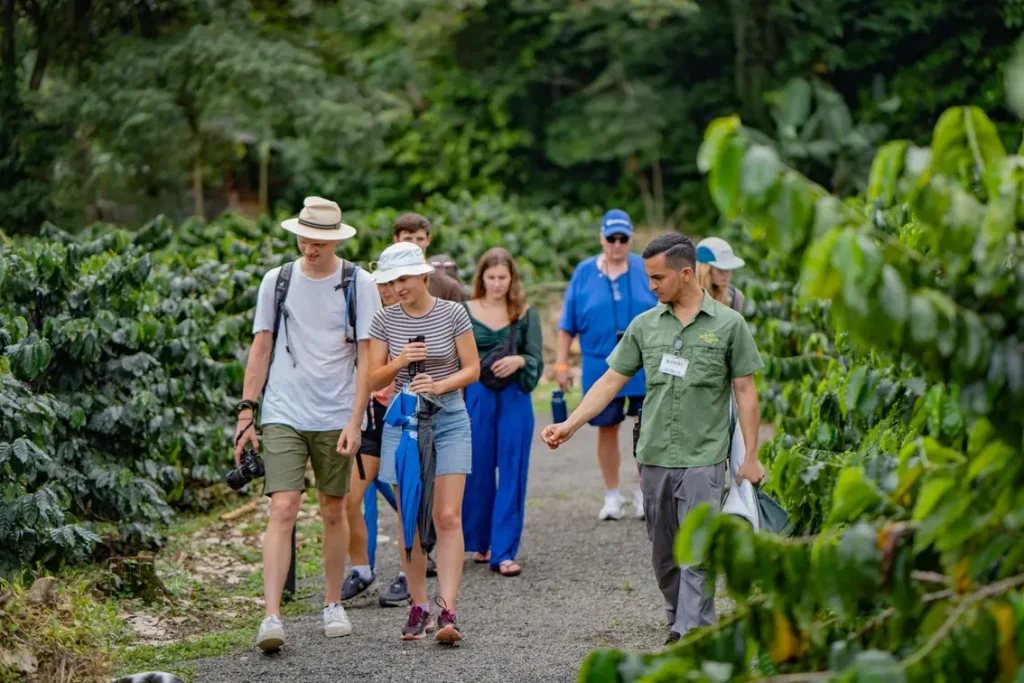
Once you know why coffee is so good in Costa Rica, the next question is usually when is the best time to visit for a coffee tour. The answer depends on what you want to see and how you want the experience to feel.
November to February is the most active time of year. This is when harvesting and early processing take place, so there’s more movement on the fields and more chances to see coffee production happening in real time.
Timing also affects weather patterns, crowd levels, how much activity is happening on the fields, and the light and colors you’ll have for photos during the tour.
That said, coffee tours are a great experience year-round at North Fields. Outside harvest season, visits tend to be quieter and more relaxed, with time to focus on the plants, the land, and cacao demonstrations that change with the seasons.
How Coffee Seasons Work in Costa Rica
Coffee doesn’t stay in the same stage for long, so what you see on a coffee tour depends a lot on the month you visit. Some times of year feel more active, while others move at a slower pace. Either way, each season shows a different side of how coffee is grown and prepared.
Fortunately, knowing what’s happening during each part of the year gives you a clearer picture of what’s going on around you during the tour.
Here are the coffee seasons that explain how coffee tours work throughout the year:
Harvest season (November–February)
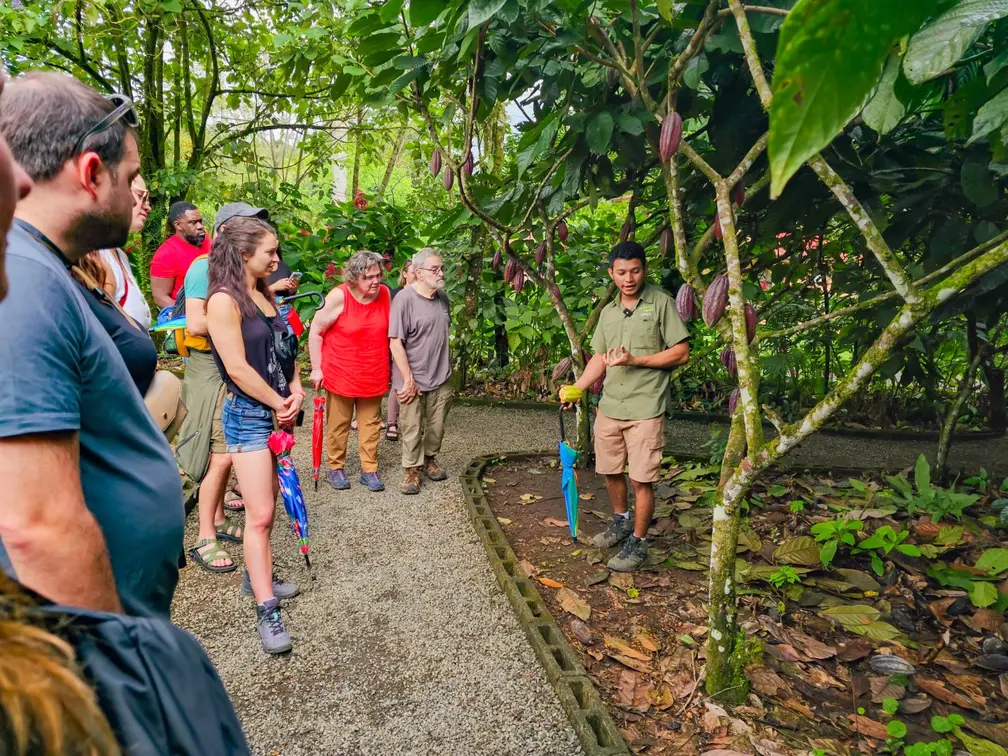
From November through February, coffee cherries are ripe, and harvesting is underway. You’ll notice more movement on the fields during this time, with people picking cherries and the first steps of processing happening at the same time, including wet milling activity.
What stands out during these months is how much is happening at once. Rather than just hearing how coffee is harvested, you’re seeing it unfold around you, which gives the tour a more hands-on, day-to-day feel.
Processing season (December–March)
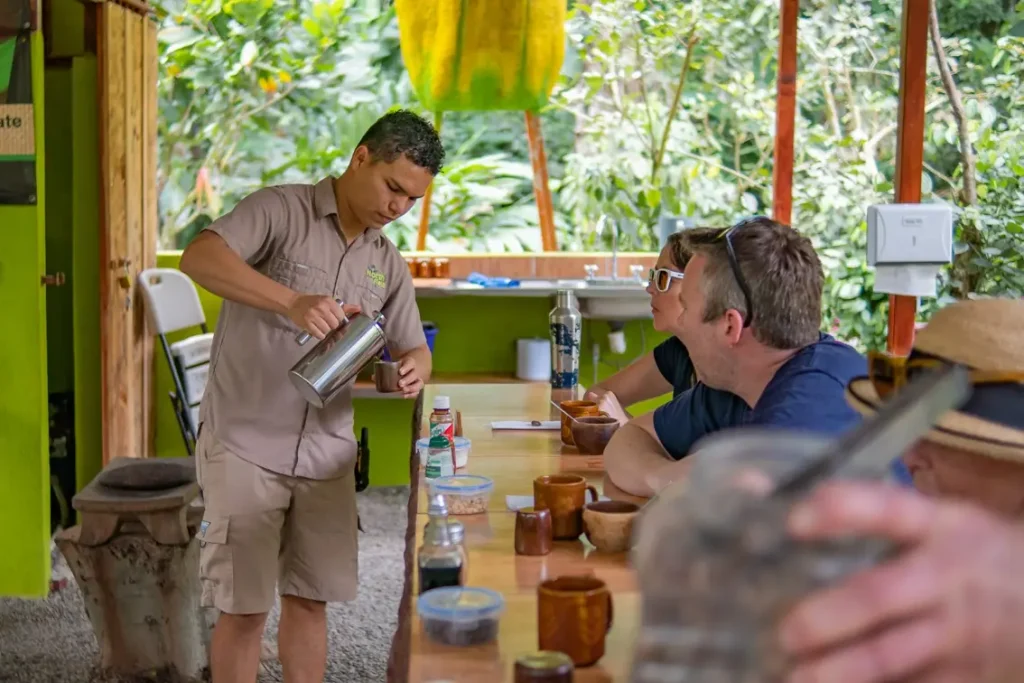
Processing season overlaps with harvest and continues after most of the picking wraps up. While the fields may feel quieter, there’s still plenty happening off the plants. This is when coffee is washed, fermented, dried, and prepared for the next stage, with roasting demonstrations often taking place.
During this part of the year, it’s less about the cherries on the plants and more about what happens after they’re picked. You get a closer look at the steps that shape flavor, texture, and quality long before coffee ever reaches a cup.
Growing + flowering season (April–October)
Once harvest and processing slow down, the coffee plants move into a different phase. From April through October, the fields turn greener, and in certain months, white coffee blossoms appear, followed by early-stage cherries beginning to form. The pace on a tour feels calmer, with more time to look closely at the plants and the land.
This season shows a side of coffee that often goes unnoticed, because you’re not following a busy workflow and instead seeing how coffee plants grow, rest, and prepare for the next harvest.
Weather by Season in La Fortuna and How It Affects Your Tour
La Fortuna’s weather can be unpredictable. Some days are bright and dry, others bring short bursts of rain, and the light can change quickly throughout the day. That variability is part of daily life here, and it’s also something you should keep in mind when planning time outdoors during a coffee tour or visiting coffee farms.
Here’s what the two weather seasons in La Fortuna are like during a coffee tour when you visit Costa Rica:
Dry season (December–April)
During the dry season, days in La Fortuna tend to be warmer and more predictable. You’ll usually walk on drier paths, spend more time outside without interruptions, and have brighter light during the tour. It’s a comfortable time to move around the fields and take photos, especially in the mornings. One thing to keep in mind is that this is also a popular time to visit Costa Rica so that coffee tours can feel busier. That said, planning ahead goes a long way if you’re traveling during these months.
Green season (May–November)
The green season brings more frequent rain, but that doesn’t mean constant downpours. Many days start clear, with rain showing up later in the afternoon. The landscape turns greener, and the air feels cooler and fresher. Tours during these months often feel quieter, with fewer people around. Paths can be wetter, and the light can change quickly, but the fields look full and alive, which many visitors enjoy.
Choosing the Best Time Based on Your Travel Style
Now that you know how the seasons work in Costa Rica, the next step is thinking about how you like to travel. Not everyone looks for the same thing on a trip, and that also applies to coffee tours. Some visits revolve around activity, others around comfort, photos, or flexibility. Looking at it this way makes it easier to decide when you’ll enjoy Costa Rican coffee the most.
These are a few common travel styles and how they usually line up with the time of year:
For coffee lovers: harvest months
If coffee is high on your list, harvest months tend to feel the most complete. This is when you’re more likely to see cherries on the plants, watch the early processing steps, and taste coffee that’s closely tied to what’s happening on the fields. It helps connect what you’re tasting with what you’re seeing on the fields, from growing conditions to the techniques used to prepare the beans.
For families: dry season comfort or green season calm
It’s no secret that traveling with kids changes the way you plan. Comfort, timing, and pace matter more. The dry season usually makes things easier, with clearer paths and fewer weather interruptions. On the other hand, the green season is quieter and slower, which some families prefer when they don’t want to feel rushed or surrounded by large groups.
For photographers: colorful harvest or lush green season
Outdoor photography isn’t always predictable, and timing makes a difference. Harvest season brings contrast and movement, while the green season offers deeper greens, softer light, and fuller landscapes. Both can work well depending on how you like to shoot and how comfortable you are adapting to changing conditions.
For budget travelers: shoulder months (May–June, September–October)
If keeping plans flexible is part of the goal, shoulder months are worth a closer look. These periods often come with fewer visitors and more availability, while still offering solid conditions for a coffee tour. You may need to plan around rain, but the trade-off is a quieter experience and more room in the itinerary.
Choosing the Best Time Based on Your Travel Style
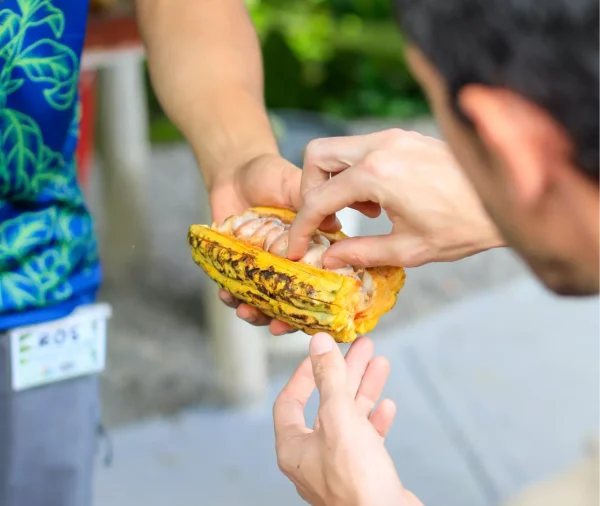
No matter when you visit, a tour at North Fields takes you through the full coffee journey, step by step. You’ll walk through the plantation, see how coffee moves from the nursery to harvest, follow what happens during drying and roasting, and finish with grinding, preparation, and tasting. Along the way, cacao is part of the experience too, adding another layer to what you see and taste.
See what makes North Fields stand out from other Costa Rica coffee tours:
A real farming experience in La Fortuna
This part of the tour happens outdoors, surrounded by the landscape that defines La Fortuna. As you walk through the plantation, Arenal Volcano often sits in the background, and depending on the season, you may hear birds moving through the trees or spot small wildlife along the path. How often do you get to walk through a working coffee place with views like that? The scenery changes throughout the year, but being out in the fields, surrounded by coffee and cacao plants, is always part of the experience.
Chocolate + coffee in one experience
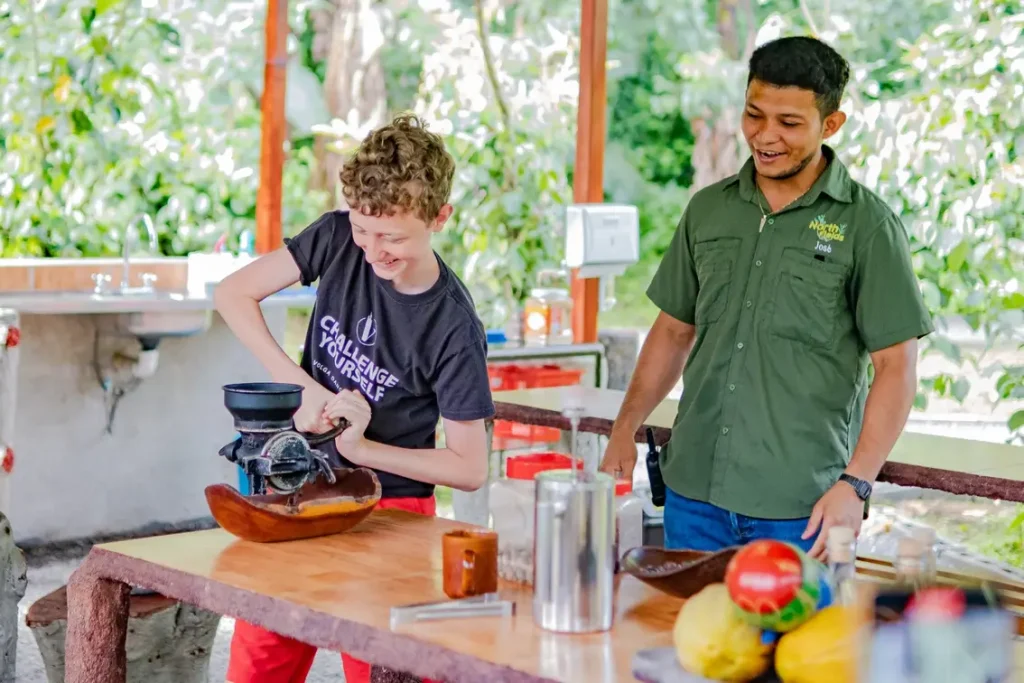
Coffee is only part of the story here. Cacao is grown and worked on-site, and it fits naturally into the tour. While coffee follows its own seasonal cycle, cacao adds hands-on moments that don’t depend on harvest timing. Grinding cacao by hand and tasting chocolate alongside coffee gives you a fuller picture of how both crops are grown and prepared, and how they complement each other throughout the year.
What visitors can expect any month of the year
The tour follows a clear path regardless of the season. You’ll take a guided walk through the coffee plantation, follow the coffee process from nursery to harvest, drying, and roasting, and finish with grinding, preparation, and tasting. Fresh coffee beans are always part of the experience, along with tasting sessions and local stories that explain how coffee and cacao connect to traditions in the area.
Not sure when to come? Find out the best time to visit North Fields in Costa Rica in our detailed guide!
Tips for a Comfortable Coffee Tour in Any Season
A coffee tour at North Fields is an outdoor experience, and comfort makes a big difference in how much you enjoy it. Paths can be uneven, the weather can change, and you’ll spend time walking, standing, and tasting along the way. A little preparation goes a long way, no matter the month you visit.
Check out some tips to stay comfortable while learning about Costa Rican coffee beans on a tour:
- Choose closed-toe shoes with a good grip; paths can be uneven or muddy, especially after rain.
- Lightweight hiking shoes or sturdy sneakers work well year-round.
- Skip sandals or smooth-soled shoes, even in the dry season.
- Morning tours tend to feel cooler and brighter, with steadier light and fewer weather changes.
- If you’re visiting during the green season, earlier tours also lower the chances of afternoon rain.
- Midday can be warmer, so pacing and shade matter more.
- Bring a light rain jacket or poncho, even if the forecast looks clear.
- Wear breathable clothing that dries quickly and doesn’t feel heavy if it gets damp.
- A hat and sunscreen help on sunny days, especially in open areas of the plantation.
Ready to Explore Costa Rican Coffee? Visit Us at North Fields in La Fortuna!
At North Fields, coffee and cacao are part of the experience year-round. You’ll walk through the plantation, follow the process step by step, taste fresh coffee and chocolate, and see how everything comes together here in La Fortuna, with Arenal nearby.
If you’re ready to plan your visit and enjoy Costa Rican coffee culture at the source, we’d love to welcome you. Contact North Fields today and start planning your coffee and chocolate tour in La Fortuna!
FAQs
1. When can you see ripe coffee cherries?
You can see ripe coffee cherries mainly during the harvest season, which runs from November through February. This is when cherries are red and ready to be picked, and there’s more activity happening on the plants.
2. Is it still worth visiting outside harvest season?
Yes, it’s still worth visiting outside harvest season. While you may not see cherries on the plants, the tours focus more on growing, processing, and tasting, which helps explain how Costa Rican coffee is produced throughout the year.
3. Does rain affect tours in La Fortuna?
Rain can affect tours in La Fortuna, especially during the green season, but it rarely stops them. Most rain comes in short afternoon showers, and morning tours usually run without major interruptions.
4. What should you wear for a farm visit?
What you should wear for a farm visit is comfortable clothing and closed-toe shoes with a good grip. Lightweight, breathable fabrics and a light rain jacket are also a good idea, even on dry days.
5. Are coffee tours good for kids and older adults?
Coffee tours are good for kids and older adults as long as they’re comfortable walking outdoors. Tours move at a relaxed pace, include plenty of stops, and focus on tasting, learning, and observing rather than long hikes.