

- Your cart is empty Browse Shop
If you’ve ever ordered a cup of coffee in Costa Rica and thought, “This tastes different,” you’re not imagining it. Costa Rican coffee has a reputation for being smooth, bright, and easy to drink—and there are many reasons behind that.
So if you want to know why coffee is so good in Costa Rica, this post is for you. We’ll walk you through flavor, growing conditions, and the local practices that have a lot to do with every cup you taste.
Most of all, you’ll see why visiting North Fields, a coffee and cacao family-run experience in La Fortuna, lets you see how coffee and cacao are grown, harvested, and prepared with care.
6 Reasons Costa Rican Coffee Tastes So Good
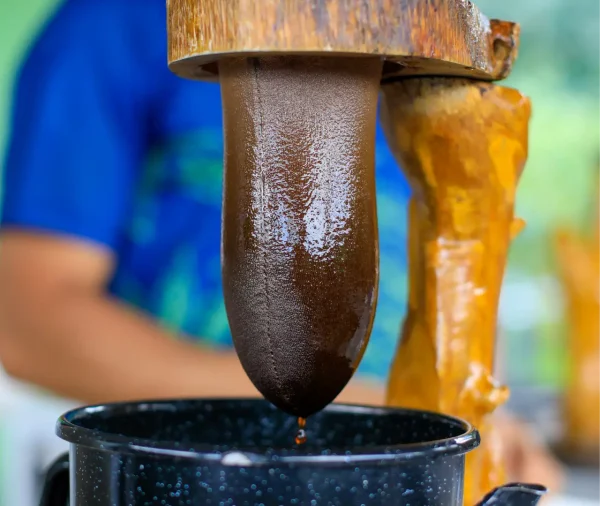
Costa Rican coffee is widely considered among the best in Central America and the world. That quality isn’t the result of a single factor; it comes from a combination of natural conditions and long-standing practices that work together in every cup.
Here are the main reasons behind the flavor and quality you’ll taste while you’re here:
The mountain climate
Most coffee plantations in Costa Rica sit in the mountains, where elevation and cooler temperatures create ideal growing conditions. At higher altitudes, coffee grows more slowly, which gives each coffee plant more time to develop natural sweetness and balanced flavor. Costa Rica also has a clear rhythm between dry and rainy seasons. Days stay warm without extreme heat, nights cool down naturally, and rain arrives in predictable patterns. That consistency helps coffee plants stay healthy and focused on growing, rather than reacting to sudden weather stress. The result is beans that taste cleaner, smoother, and more consistent from cup to cup.
Volcanic soil
Much of Costa Rica’s coffee grows in areas shaped by old volcanic activity, where the soil is naturally rich in minerals that support healthy growth. Instead of relying heavily on added inputs, coffee plants receive steady nourishment directly from the ground. This soil also drains well, which matters during the rainy season. Roots stay strong rather than waterlogged, allowing the plant to focus its energy on developing the beans. Over time, that balance shows up in the cup as better clarity, structure, and flavor balance.
8 growing regions
Costa Rica may be small, but coffee is grown across eight distinct regions, each shaped by its own climate and elevation: Tarrazú, Central Valley, West Valley, Tres Ríos, Brunca, Turrialba, Guanacaste, and Orosi. Changes in altitude, rainfall, and temperature affect how coffee develops in each area. That’s why flavors vary from one region to another. Some areas are known for brighter, more structured cups, while others produce smoother or fuller profiles. This regional diversity explains why Costa Rican coffee doesn’t taste the same everywhere. Instead, it’s known for having distinct flavors that reflect where the coffee is grown.
Arabica-only production
When people talk about high-quality coffee, they’re usually talking about Arabica beans. Arabica coffee beans are known for a smoother texture, clearer aromas, and balanced acidity, rather than bitterness. Costa Rica made a deliberate choice to protect that quality. For decades, the country allowed only Arabica beans in its coffee production, prioritizing flavor over higher yields. While Arabica is harder to grow and produces less coffee per plant, it consistently delivers better taste. This decision helped define the entire coffee industry in Costa Rica. Farmers grow coffee under conditions that favor quality first, which is why Arabica still dominates coffee production across the country today.
Careful handpicking
Quality coffee doesn’t come from rushing the harvest. In Costa Rica, coffee is still hand-picked so workers can choose only the ripest cherries at the right moment. That attention is crucial because beans picked too early or too late can throw off the flavor of the entire batch. Moreover, since coffee ripens unevenly, handpicking ensures that only cherries at peak ripeness are used, which leads to more consistent flavor from batch to batch. This helps Costa Rican beans develop fuller sweetness and better balance, instead of harsh or uneven notes that come from mechanical harvesting. Trust us—behind every good cup, there’s a human decision involved. Generations of experience guide when and how coffee is picked, and that care shows up clearly in the final taste.
Quality regulated by the government
Coffee quality in Costa Rica is supported at a national level. The Costa Rican government helps set and maintain standards that guide how coffee is grown, processed, and sold. Through national institutions, coffee growers receive guidance on farming practices, processing methods, and quality control. These rules help ensure consistency, so coffee meets clear standards before it reaches export or local markets. This system promotes Costa Rican coffee internationally as a reliable, high-quality origin.
What Costa Rican Coffee Actually Tastes Like
Costa Rican coffee is easy to enjoy, even if you don’t usually think of yourself as a coffee expert. Most cups taste smooth and balanced, with a clean finish that feels light rather than heavy.
One of the first things many people notice is bright acidity, but not in a sharp or sour way. It adds freshness and lift, while delicate, natural sweetness keeps the flavor rounded and approachable.
Depending on the region, you might notice light fruit notes, a hint of chocolate, or a soft nuttiness. Those balanced flavors come directly from the conditions we described earlier—mountain climates, volcanic soil, careful harvesting, and strict quality standards—all working together in the cup.
Why Coffee Tastes Even Better at the Source
For many coffee lovers, tasting coffee in Costa Rica feels different because of the freshness. When coffee is roasted and prepared close to where it’s grown, it keeps more of its aroma and natural character. There’s no long storage or shipping time to dull the flavor.
Seeing the process also changes how you experience the cup. Watching how coffee moves from plant to harvest to preparation gives context to what you’re tasting. The aromas are clearer, and the flavors feel more defined because you understand where they come from.
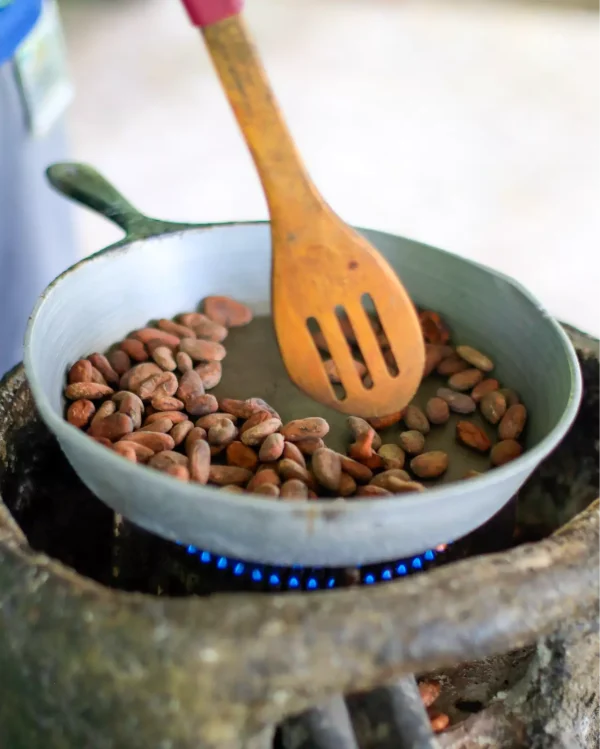
That’s where North Fields Coffee & Chocolate comes in. When you visit us, you taste fresh coffee and cacao shortly after preparation while seeing each step firsthand.
Taste Coffee and Cacao Together at North Fields
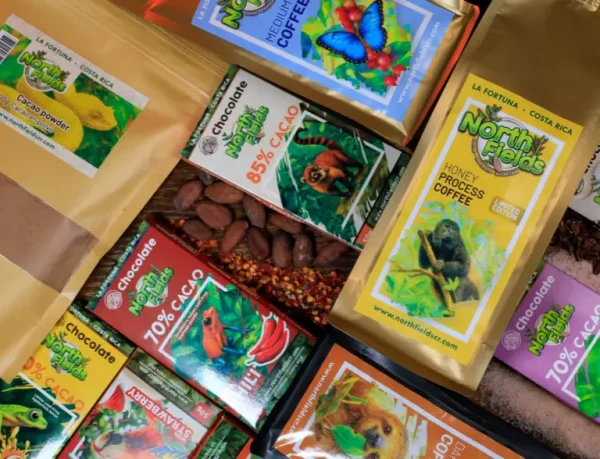
At North Fields, you taste coffee and cacao as part of the same experience. Seeing how each one is prepared and then tasting them side by side helps you connect flavor to real steps in the process.
Coffee tends to feel brighter and lighter, while cacao comes across deeper and fuller. Tasting them back to back makes those differences easier to notice, from aroma to texture to the way the flavors finish.
That’s what makes the North Fields tour different. When you visit us, you experience coffee and cacao together, giving you a clearer, hands-on understanding of what specialty coffee and quality cacao actually taste like.
Want to plan around our experience? This blog explains the best time to visit North Fields.
Taste Coffee and Cacao Together at North FieldsCoffee Farm Visit Tips: What to Expect
Visiting a coffee farm in Costa Rica is a relaxed, hands-on experience. Yet knowing what to expect ahead of time helps you enjoy the visit more and focus on learning, tasting, and admiring the surroundings.
Check out a few simple things to keep in mind before your visit:
- Walk at an easy pace: Expect natural paths with dirt, small slopes, and uneven ground rather than paved walkways.
- Expect changing weather: Even on sunny days, light rain is common, so a poncho or light rain jacket helps.
- Wear closed-toe shoes: Shoes with a good grip are best, especially if the ground is damp from recent rain.
- Take your time: Visits move at a relaxed pace, with plenty of stops to listen, observe, and taste.
- Plan for one to two hours: Most coffee farm visits last long enough to walk the grounds and enjoy tastings without feeling rushed.
- Bring kids along comfortably: Many moments are visual or hands-on, which helps keep children engaged throughout the visit.
When’s the Best Time to Visit a Coffee Farm in La Fortuna
You can visit coffee farms in the La Fortuna area year-round, but the experience changes slightly depending on the season. Weather and trail conditions all influence what you’ll see and how the visit feels.
Take a look at the two Costa Rica seasons to consider if you want to enjoy excellent coffee at a relaxed, comfortable pace:
Dry season
From November to February, many coffee farms are in harvest season. This is when coffee cherries are ripe and picked by hand, so visits feel more active. You’re more likely to see workers harvesting, learn how cherries are selected, and understand how timing affects flavor. This period is a good choice if you want to see coffee production in motion. The trade-off is that it can be busier, since more travelers visit farms during these months.
Rainy season
From March to October, coffee plants focus on growing rather than harvesting. You won’t see cherries being picked, but you’ll still learn how coffee develops throughout the year, how plants are cared for, and how weather affects growth. Visits during this season tend to feel quieter and more personal, with more time for explanations and tastings. If you’re more interested in learning and asking questions than seeing the harvest itself, this can be a good time to go. Still not sure when to go? Read our guide on the best time of year for coffee tours in Costa Rica!
What Travelers Say About North Fields
After learning how coffee and cacao are grown, harvested, and tasted in Costa Rica, you may want to see what a visit to North Fields is like in real life. Reviews help with that.
Take a look at what people talk about their time at the North Fields Coffee & Chocolate Tour:

One of our favorite activities in Costa Rica. We usually skip tours because they often feel slow paced, but the North Fields Chocolate and Coffee Tour completely changed our minds. From start to finish, it was engaging, interactive, and very well paced. Our guide Cesar was outstanding and truly the reason this tour stood out. He was knowledgeable, passionate, and incredibly easy to listen to, making the entire experience feel natural and fun rather than like a typical tour. He explained the coffee and chocolate process in a way that was interesting for everyone, and his enthusiasm really brought it all to life. The tasting sessions for both chocolate and coffee were a huge highlight and absolutely delicious. We also noticed families with kids on the tour, and they were clearly having a great time too.

Our family of 4 did this tour in the afternoon and it was honestly so fun. Our tour guide, David was incredible. He is so knowledgeable, so witty and very funny. He made sure all of us in the group had all our questions answered and made participation and engagement easy. You get to try many cafes, chocolates and learn all about the process and the farm. Definitely recommend as a family activity. Tour was around 2.5-3 hours total. We felt it was definitely worth our money and we came out with a better understanding of the coffee culture and history.

Great coffee tour, extremely awesome guide named Valerie. She was great about taking her time explaining things asking questions and was pretty funny. I would say this is one of the best guided tours of a farm that I have taken so far she did a great job of explaining where all the coffee comes from in the Costa Rica region. Gift shop is very reasonably priced and would make for great gifts to take back home. Definitely stop through and highly recommend.
Discover Costa Rican Coffee at North Fields!
By now, you’ve seen why Costa Rican coffee tastes the way it does—from mountain climates and volcanic soil to careful harvesting and long-held traditions. All of those details matter, but they make the most sense when you experience them in person. Seeing coffee cultivation up close helps connect flavor to the land, the people, and the daily work behind each cup.
At North Fields, we invite you to slow down and experience that process with us. You’ll walk through the steps, taste fresh coffee and cacao, and learn directly from a local family that’s been working with these crops for generations.
If you’re ready to experience coffee and cacao where they’re grown and prepared, we’d love to welcome you. Contact North Fields today to plan your tour!
FAQs
1. What makes Costa Rican coffee taste so good?
What makes Costa Rican coffee taste so good comes down to growing conditions and care. Mountain climates, volcanic soil, careful harvesting, and quality standards all work together to produce smooth, balanced coffee with natural sweetness.
2. Is coffee stronger in Costa Rica?
No, coffee in Costa Rica is not stronger in caffeine. It’s often perceived that way because the flavor is cleaner and fresher, not because it contains more caffeine.
3. What should I expect on a coffee tour in La Fortuna?
What you should expect on a coffee tour in La Fortuna is a relaxed, guided walk where you learn how coffee and cacao are grown and prepared, with tastings along the way and time to ask questions.
4. Is the tour good for kids?
Yes, the tour is good for kids. Coffee tours often include visual and hands-on moments, like seeing plants up close and tasting cacao, which helps keep children engaged.
5. Can I buy the coffee I taste at North Fields?
Yes, you can usually buy the coffee you taste at North Fields. We offer coffee and cacao products on-site, so you can take home what you enjoyed during the visit.